
Building Research Networks That Push Boundaries
We're always looking for collaborators who share our curiosity about neural architecture. The field moves fast—sometimes breakthrough insights come from unexpected conversations over coffee, sometimes from months of careful experimentation. Our partners range from academic labs exploring theoretical foundations to industry teams testing architectures in production environments.
Partnership here isn't about formal agreements or rigid structures. It's more about finding alignment in how we approach problems and sharing what we learn along the way.

How We Work Together
Different partners bring different strengths. Some joint projects last weeks, others span years. What matters most is the quality of ideas and willingness to challenge assumptions.
Research Institution Partnerships
We connect with universities across Taiwan and internationally to explore emerging architectures. Recent work with National Tsing Hua University examined attention mechanisms in transformer variants—their theoretical framework combined with our implementation experience led to insights neither team would've reached alone. Projects typically run for academic cycles, with results shared openly in conferences.
Industry Implementation Projects
Production environments reveal architectural behaviors you'd never catch in controlled experiments. We partner with companies deploying neural systems at scale—from medical imaging startups to manufacturing optimization teams. These collaborations help us understand where theoretical models meet real-world constraints. And honestly, debugging edge cases together builds better architectures than isolated development ever could.
Open Source Contributions
Much of our work happens in public repositories where anyone can contribute. Partners who've helped refine our architecture libraries come from everywhere—grad students in Seoul, independent researchers in Berlin, engineers at mid-size tech companies. Code reviews and pull requests often spark deeper discussions about design choices. This distributed collaboration model keeps our approaches honest and well-tested.
Educational Program Development
Teaching neural networks means constantly updating material as the field evolves. We collaborate with educators to develop curriculum that balances theory with hands-on implementation. Partners help us test new teaching approaches—what works in a graduate seminar versus a professional workshop differs more than you'd expect. These partnerships shape how we structure our courses starting in early 2026.

Torsten Eriksson
Coordinates joint research initiatives between academic institutions and our lab. Previously worked on transformer architecture optimization at ETH Zurich.
Partnership Development Lead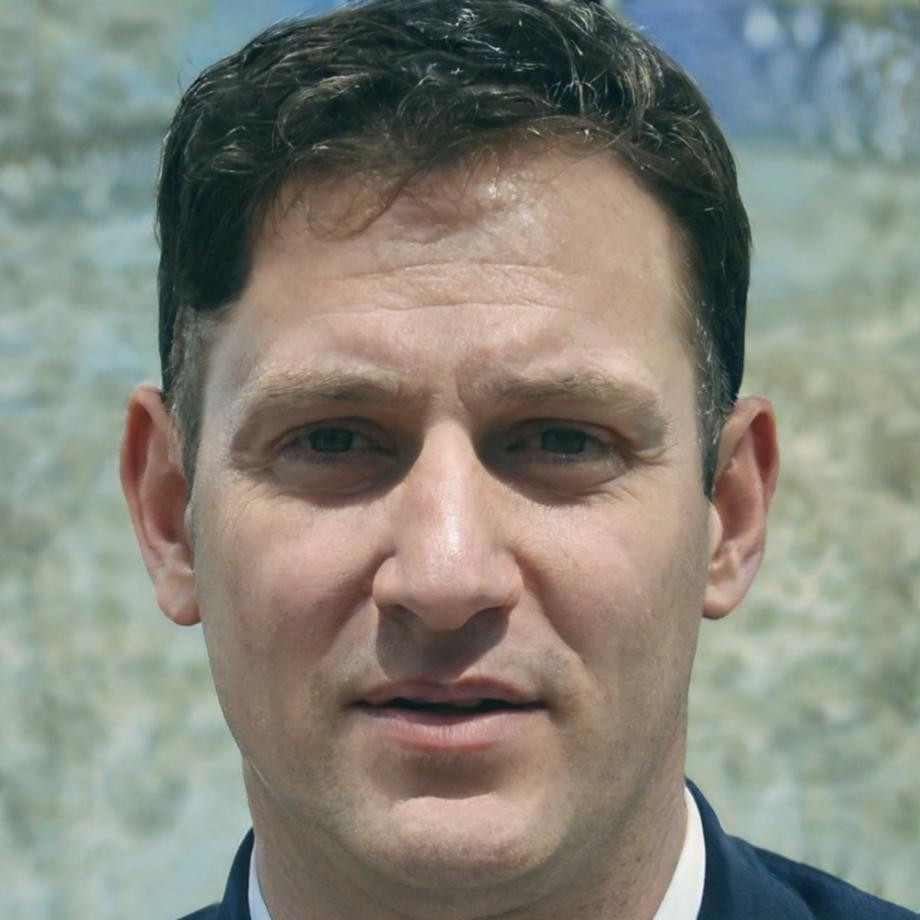
Mikael Voss
Manages technical integration for industry partnerships. Specializes in adapting research architectures for production deployment scenarios.
Industry Collaboration Manager
Current Partnership Opportunities
Attention Mechanism Research
We're exploring variants of self-attention that reduce computational overhead without sacrificing model performance. Looking for partners with experience in efficient architecture design or access to specialized hardware for testing scaled implementations. Project timeline runs through mid-2026 with potential for conference publications.
Architecture Visualization Tools
Better visualization helps debug complex networks and communicate design decisions. Seeking collaborators interested in building interactive tools for exploring neural architecture behavior—particularly tools that help students understand information flow through different layer types. This could suit developers who enjoy the intersection of graphics and machine learning.
Cross-Domain Architecture Transfer
Architectures developed for one domain often contain insights applicable elsewhere. We're documenting patterns that transfer well between computer vision, natural language processing, and signal processing tasks. Partners working in specialized domains could help identify which architectural choices generalize and which don't. Collaborative documentation helps everyone avoid reinventing solutions.
Training Stability Analysis
Some architectures train smoothly, others exhibit bizarre instabilities that only appear at specific scales or data distributions. We're systematically testing what makes training reliable. This needs partners willing to run extensive experiments and share detailed training logs—unglamorous work that yields practical insights for anyone deploying models.